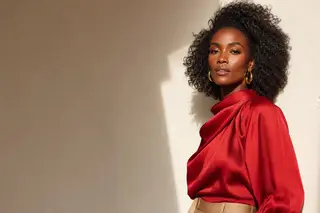
Some mornings call for a full outfit mood board. Most mornings call for a formula that works before coffee. The trick is not owning more clothes; it is knowing which pieces make one another feel intentional.
Think of this as a gentle starting point, not a rulebook. Pick five pieces from your closet, make a few small swaps, and you have a reliable look that still feels like you.
The five-piece formula
- A simple base. Start with a tee, fine knit, crisp shirt or easy dress in a color you reach for often.
- A considered bottom. Straight-leg denim, relaxed trousers, a fluid skirt or whatever feels right for your day.
- A third piece. Add a blazer, trench, cardigan or overshirt. This is the layer that makes the outfit feel finished.
- A comfortable shoe. Loafers, clean sneakers, ballet flats or a low heel can change the whole mood without making the day harder.
- One personal detail. Gold hoops, a beautiful belt, a favorite bag or a swipe of lipstick—choose just one thing that feels unmistakably yours.
Start with the part you already love
Rather than building an outfit around a trend, begin with the item you are excited to wear. If it is a red blouse, let that be the color story and keep everything else quiet. If your favorite thing is a pair of worn-in jeans, bring in a sharper layer and a polished accessory.
A simple palette helps the pieces talk to one another. Try two neutrals and one accent, or keep the clothing tonal and let your bag or jewelry do the talking. There is no need to buy a matching set; you are looking for a little visual rhythm.
Use the layer to set the tone
The same base can feel relaxed with a soft cardigan, work-ready under a blazer, or weekend-ready with an open shirt. When the weather changes, the layer is the easiest place to adapt. Leave it open, push up the sleeves, or drape it over your shoulders if that feels natural.
The useful question is: Would I still feel comfortable in this after a full day? If the answer is no, swap the layer or shoe before you leave. Feeling good is part of looking put together.
Make three versions from one starting point
For an office day: a fine knit, tailored trousers, an easy blazer, loafers and small hoops.
For a casual day: your favorite tee, straight denim, a soft cardigan, clean sneakers and a roomy tote.
For dinner after work: keep the same base, trade the layer for a sharper jacket, switch to a dressier shoe and add the earrings you save for going out.
These are examples, not a shopping list. Use what is already in your wardrobe and adjust for your climate, budget, dress code and comfort.
Keep a tiny outfit note
When a combination feels especially good, take a quick mirror photo or save the pieces in a note on your phone. After a few weeks, you will have a personal outfit reference—not a generic capsule list—and getting dressed gets quicker because you know what already works.
The best formula is the one that gives you room to be yourself. Start with five pieces, change one detail, and let the day take it from there. Save this story for the next morning that begins with “I have nothing to wear.”


